
Uncovering the Unforgettable: Exploring the Most Stylish Decades in History for Graphic Design!

Graphic design has always been a mirror reflecting the cultural spirit of its times. It's a field that encapsulates the beliefs, trends, and worldviews of different generations. From the clean lines of the Art Deco movement to the diverse experiments of the postmodern era, each decade has significantly influenced graphic design. Let’s explore some of the most stylish decades that have left a lasting impact on this dynamic field.
The Roaring Twenties: A Time of Glamour and Innovation
The 1920s were not just an era of cultural awakening; they marked a revolution in graphic design. After World War I, society embraced freedom and creativity. This decade saw the rise of jazz music, flapper culture, and the captivating Art Deco style, which eventually spilled over into graphic design.
Art Deco was characterized by bold geometric shapes, rich colors, and luxurious themes. Designers used metallic tones and decorative details to convey opulence and modernity. Advertising from this time showcased simpler yet striking designs that stood in stark contrast to the ornate styles of the previous decades. For example, the famous poster for the 1925 Exposition Internationale des Arts Décoratifs showcased the new visual language with its modern fonts and streamlined graphics.

A.M. Cassandre was a key figure in this transformation, known for his powerful use of typography and striking imagery. His works set new standards, making graphic design not just functional but artful and effective in communicating ideas—a shift that would resonate through generations.
The 1960s: A Revolution of Color and Psychedelia
The 1960s were a time of upheaval, marked by civil rights movements and counterculture. These societal changes were vividly reflected in graphic design, which became bold and full of life. Designers embraced vibrant colors, intricate patterns, and psychedelic imagery.
Psychedelic posters, like those created for concerts by artists such as Milton Glaser, captured this spirit perfectly. For instance, Glaser's iconic Bob Dylan poster featured swirling designs and bright colors that embodied the era's wild creativity. Graphic designers began using new printing techniques, which allowed for more vivid images and expressive typography.

This era was revolutionary because it blurred the lines between graphic design and social commentary. Album covers and promotional materials for music events turned into a platform for artistic expression and a rallying point for a generation yearning for change.
The 1980s: Bold, Bright, and Brash
The 1980s are often seen as a decade of excess, which certainly carried over into graphic design. This era was a playground of bright colors, bold shapes, and playful aesthetics. With the rise of digital technology, graphic design experienced a breakthrough that led to innovative approaches.
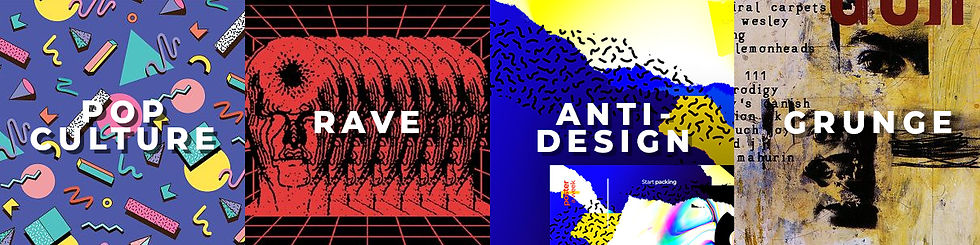
Styles like Memphis and Postmodernism thrived during this time. They combined patterns, shapes, and diverse influences to create designs that felt chaotic yet captivating. One standout application of this was in the packaging industry. Products like the colorful boxes of Jell-O and the striking logos of brands like MTV embraced the playful, eclectic spirit of the decade.

The introduction of desktop publishing software during this time was groundbreaking. It made design accessible, empowering many to express their individuality through creative projects. This explosion of creativity set the stage for future design trends.
The 1990s: Minimalism and Tech Influence
When the 1990s arrived, the focus shifted dramatically toward minimalism. The dawn of the internet brought a new approach to graphic design that favored clean lines and functional layouts. This was a stark contrast to the vibrant chaos of the 1980s.
Minimalist designs prioritized clarity and usability. The grunge movement emerged as an influential style during this period, characterized by its raw aesthetic and unconventional use of type. Designers like David Carson leveraged this visual language, creating impactful works that spoke to youth culture and a spirit of rebellion.
This decade also saw web design become a significant discipline in graphic design. Designers adapted to the digital age by building user-friendly websites. For example, early sites often incorporated simplistic layouts that loaded quickly while still offering engaging visuals, meeting the needs of a growing online audience.
The 2000s: Digital Revolution and Beyond
As we moved into the 2000s, graphic design was reshaped by rapid technological advances. High-speed internet and multimedia content redefined design possibilities, leading to a more dynamic and interactive visual landscape.
The aesthetics of the 2000s blended retro influences with minimalism. Designers began focusing on 3D graphics, photomontage, and striking color palettes. This experimentation often referenced popular design elements from the past while incorporating modern nuances.
Typography surged in importance during this decade. Designers embraced oversized fonts and creative text layouts to grab the viewer's attention. By 2007, companies like Apple recognized the power of strong branding through visual identity, resulting in logos and graphics that were not only memorable but also impactful.
Reflecting on Design's Timeless Influence
Exploring the most stylish decades in graphic design highlights a rich history of creativity and cultural expression. Each era introduced unique trends that shaped the industry and influenced societal perceptions. From the elegance of the 1920s to the boldness of the 1980s and the simplicity of the 1990s, graphic design continues to evolve while drawing inspiration from its roots.
Today, designers face the challenge of keeping pace with fast-changing technologies and cultural narratives. The stylish lessons learned from past decades provide valuable insights as they navigate this landscape. Understanding design history is vital for creating a future that embraces creativity alongside functional aesthetics.
Through the lens of past eras, graphic designers can find inspiration that leads to innovative works, enriching contemporary practices and ensuring the longevity of visual communication in the years to come. Embracing this legacy allows us to appreciate the art of graphic design, not just as a craft but as an enduring form of dialogue with society.


Comments